

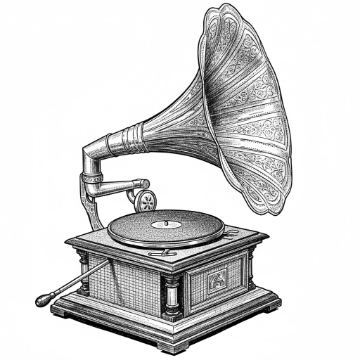
The Care & Feeding of Shellac
To the uninitiated, a 78 RPM record looks like a thicker version of a vinyl LP. However, treating a 78 like its modern 33 1/3 cousin is the fastest way to destroy it. While vinyl is a flexible plastic, 78s are a rigid, mineral-filled compound bound by shellac—a resin that is famously organic and notoriously finicky. Proper care is not just about keeping them clean; it is about preventing the chemical and physical breakdown of a century-old artifact.
Wet Cleaning Basics. The most critical difference between 78 and LP care is the cleaning solution. Most commercial "Record Cleaners" contain isopropyl alcohol, which is perfectly safe for vinyl but lethal to shellac. Alcohol acts as a solvent on the lac-resin, dissolving the binder and leaving the record a gray, noisy ruin. For an inexpensive, safe clean, use distilled water and a tiny drop of "clear and free" dish soap. For the serious collector, sophisticated vacuum machines or ultrasonic cleaners provide a deep-groove scrub that removes decades of "record grease" without damaging the surface.
 PLATE NO. II — VERTICAL RIGIDITY: THE ONLY SAFE WAY TO STORE SHELLAC
Gravity is the Enemy. Never stack 78s like pancakes. The weight of the top discs will inevitably crack the ones at the bottom. They must be stored vertically, packed snugly enough to prevent leaning (which causes warping) but loose enough to be removed without friction. Unlike LPs, which can handle a bit of warmth, shellac is highly sensitive to heat. Keep your library in a climate-controlled room; a hot attic or a damp basement will cause "bloom" (a type of mold) or make the shellac so brittle it shatters at a touch.
Protection and Friction. Paper sleeves are the traditional choice and, surprisingly, 78s survive them better than vinyl. Because shellac is harder than the paper, it resists the "hairline" scratches that plague modern LPs. However, for high-value discs, many collectors use a "double-protection" method: a poly-lined paper sleeve or a thin Mylar sleeve tucked inside a heavy acid-free paper jacket. This prevents the "paper dust" from settling back into the grooves.
Knowing Your Era. A clever trick for the active listener is placing colored stickers on the top corner of the sleeves. Use one color for "Acoustic" era discs (generally pre-1925) which are rugged enough for steel-needle Victrolas, and another for "Electric" discs which require more delicate handling. Not sure which is which? This is where Dusty the Shellac Hound becomes your best friend. By entering the label and catalog number, Dusty will dig up the data to tell you exactly when that disc was pressed.
Use and Enjoyment. Proper storage and cleaning aren't about creating a static museum; they are about ensuring the disc sounds just as vibrant for the next owner. By using safe needles, vertical shelving, and alcohol-free cleaning, you ensure that the "magic" inside the grooves stays put. Take the time to identify your treasures with The Oracle’s search tools, and you’ll find that a well-cared-for 78 is the most durable audio format ever invented.